When supply chain visibility isn't enough
Not every delay is a disruption
Supply chains generate vast amounts of data. But knowing what is happening is not the same as knowing what to do next. A shipment arriving two days late may have little operational impact. Another delayed by only a few hours could put production at risk.
Transport data alone does not show the difference. What matters is what is being shipped, how much inventory is on hand, whether production can adapt and what the alternatives would cost. Those answers usually sit in different systems, owned by different teams.
From visibility to consequence
Shipment tracking can show a delay, but not necessarily its effect on inventory, production or customers. Understanding the consequences requires connecting information across functions and weighing the trade-offs of intervening.
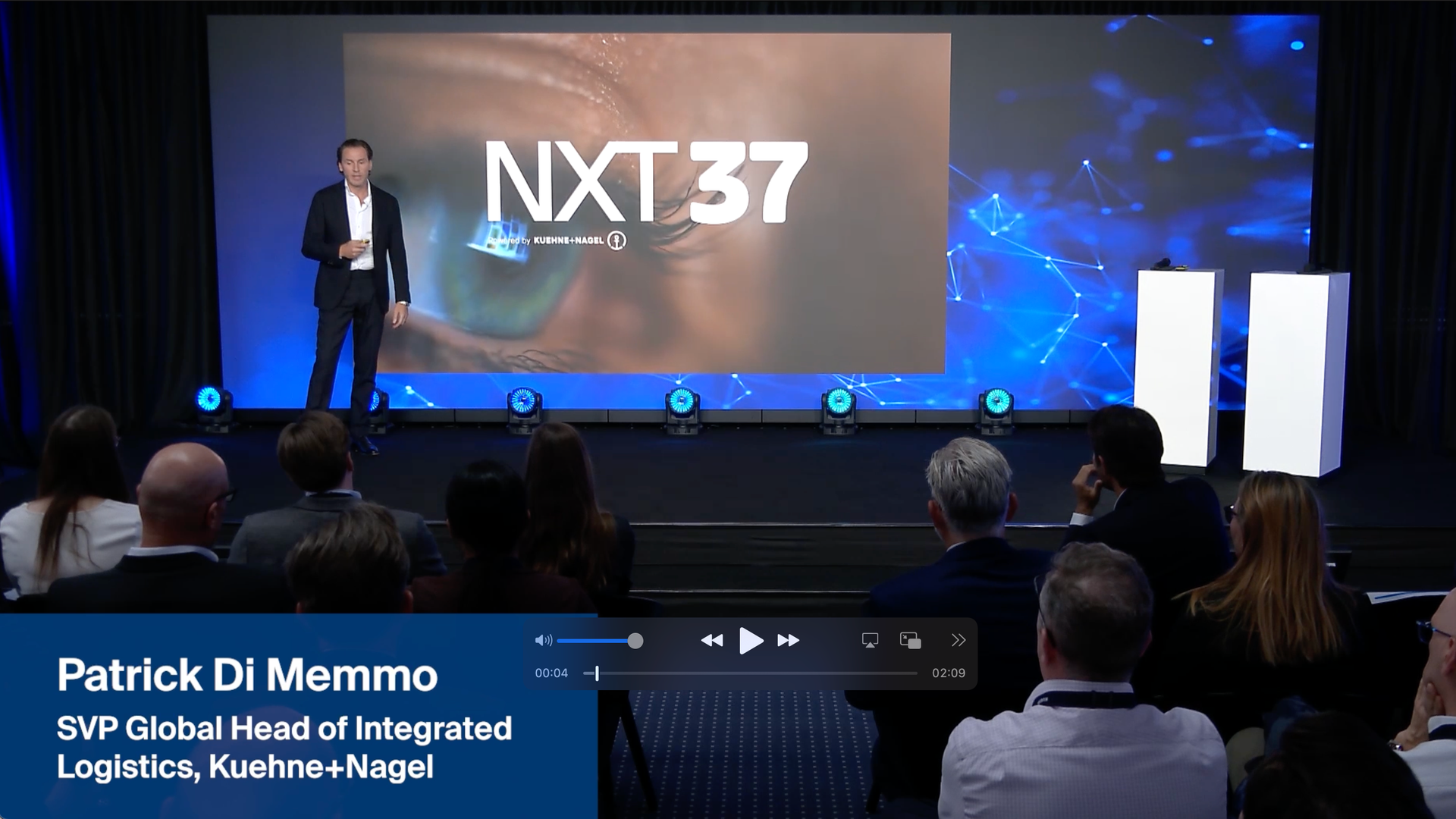
“Supply chains are not simply networks of physical movements. They are also networks of interconnected decisions,” says Patrick Di Memmo, Global Head of Integrated Logistics at Kuehne+Nagel.
The question shifts from “Where is my shipment?” to “What would a delay mean?”
The view from Bayer
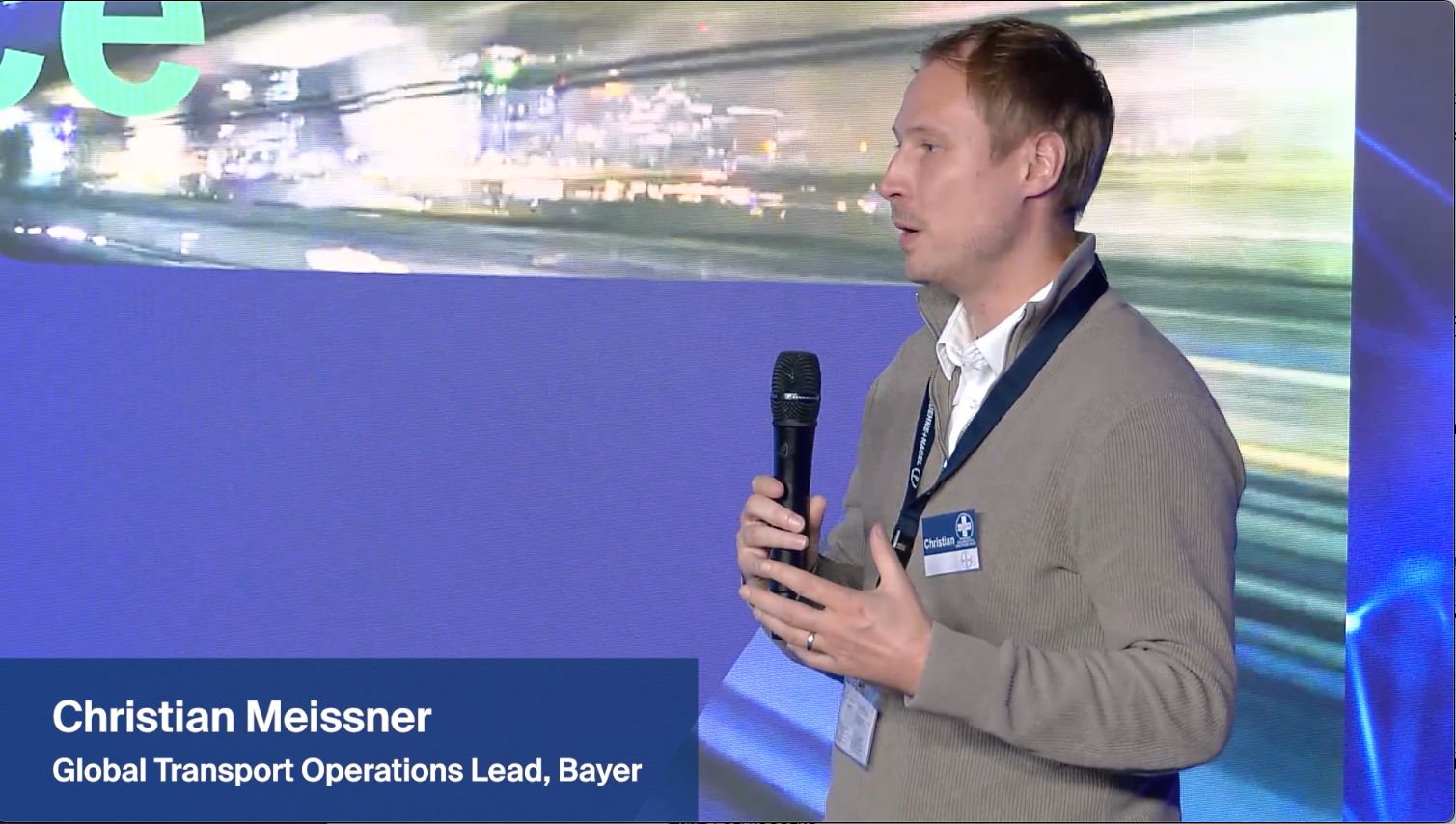
The same challenge was explored in a dialogue between Kuehne+Nagel and Bayer during the introduction of NXT37. Christian Meissner, Global Transport Operations Lead at Bayer, contributed to discussions on network optimisation and performance intelligence, including the importance of understanding current supply chain trends rather than relying solely on retrospective reporting.
A transport delay might appear to call for expedited delivery. But if available inventory can absorb the delay, intervening could simply add cost. What matters is the operational consequence.
What NXT37 does
NXT37 is Kuehne+Nagel's new 4PL decision-intelligence platform. It brings together customer supply chain data, insights from the Kuehne+Nagel network, and logistics expertise to support operational decisions.
The platform analyses signals across the supply chain to anticipate potential disruptions, highlight where attention is needed and assess possible courses of action. AI supports the analysis, while people retain the final decision.
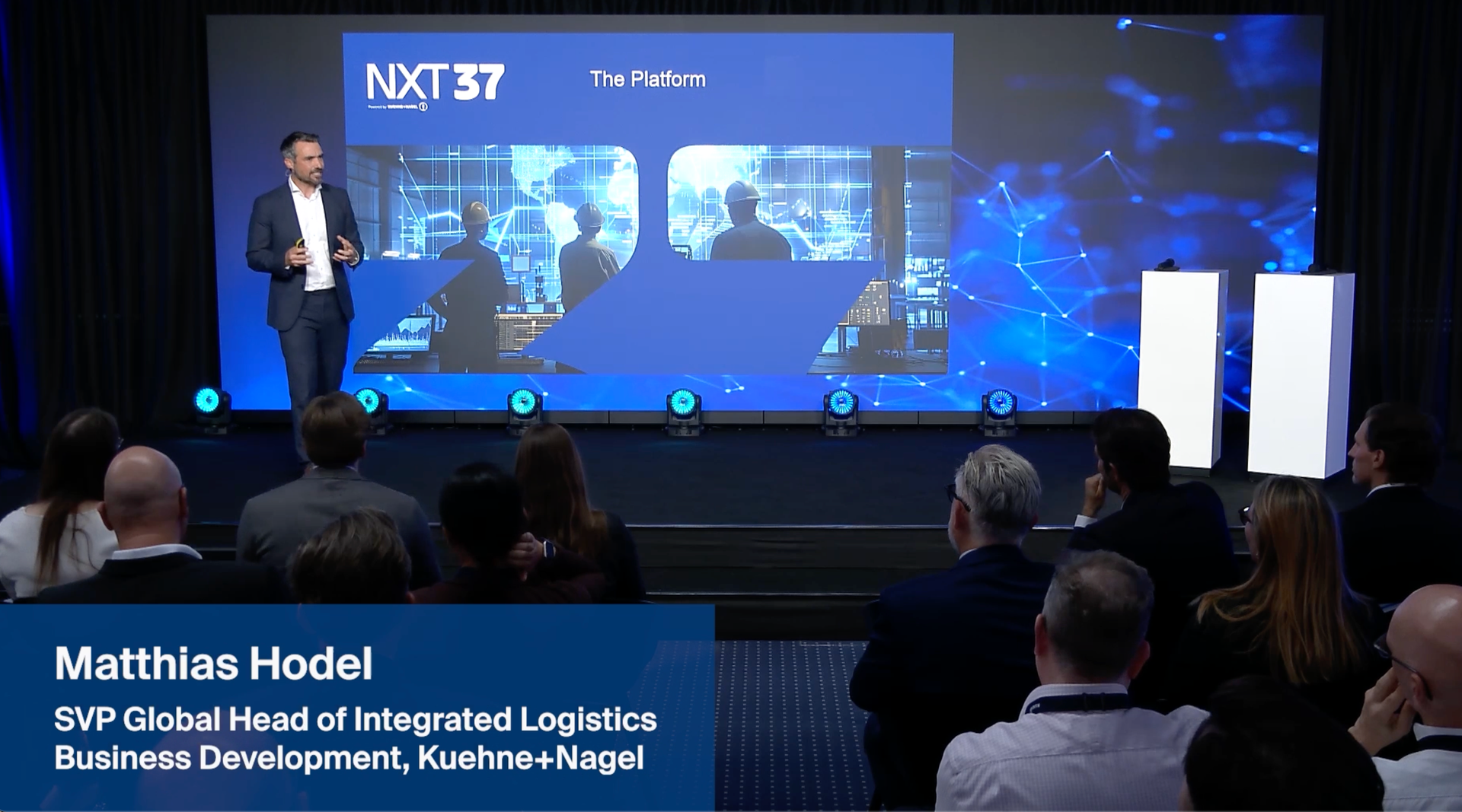
"It helps customers move beyond retrospective visibility towards a clearer understanding of what is changing, what could happen next and where action can create value," says Matthias Hodel, Global Head of Integrated Logistics Business Development at Kuehne+Nagel.
When a delay calls for action
In practice, there is seldom one perfect response. A delay alone does not tell how serious the problem is. Inventory, operational priorities and options need to be considered before deciding whether to intervene.
Protecting a delivery date may increase transport costs; changing a production plan may shift pressure elsewhere. The choice depends on the effects across the operation.
Seeing those trade-offs early gives teams time to decide rather than simply react. The aim is not to act on every alert, but to recognise when intervention can make a difference.
With approximately 92,000 employees across over 1,300 sites in close to 100 countries, the Kuehne+Nagel Group is one of the world’s leading logistics providers. Headquartered in Switzerland and listed on the Zurich stock exchange, it is the global number one in Air and Sea Logistics and holds strong market positions in Road and Contract Logistics. Supporting around 400,000 customers worldwide, the Group draws on its global network, logistics expertise, and data-driven insights to deliver end-to-end supply chain solutions for global companies and industries.